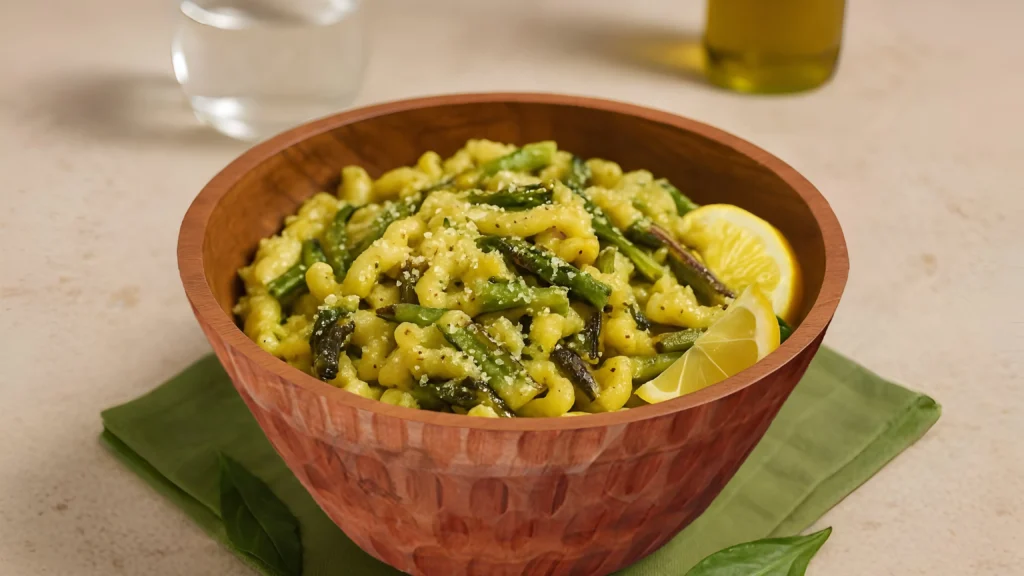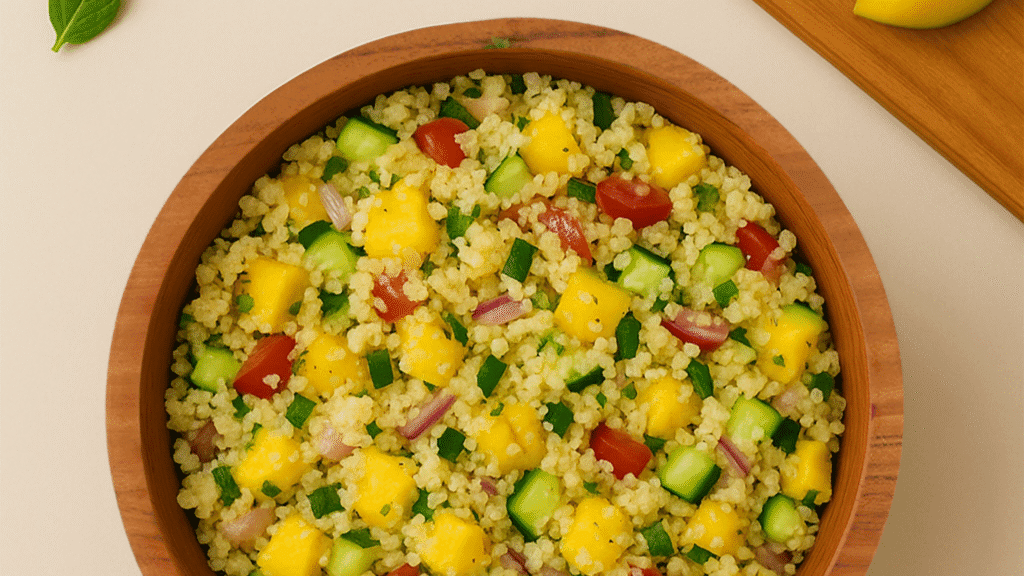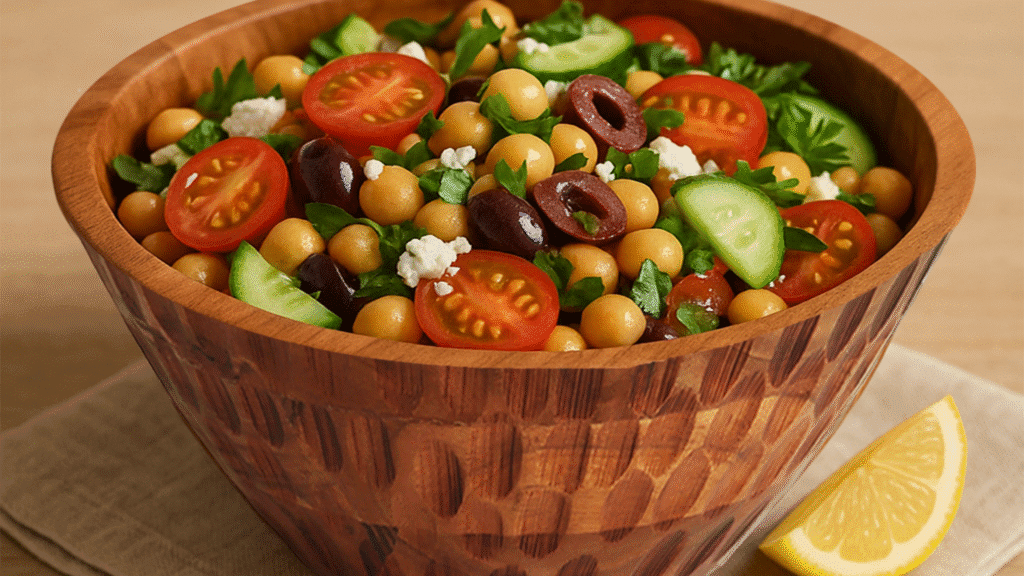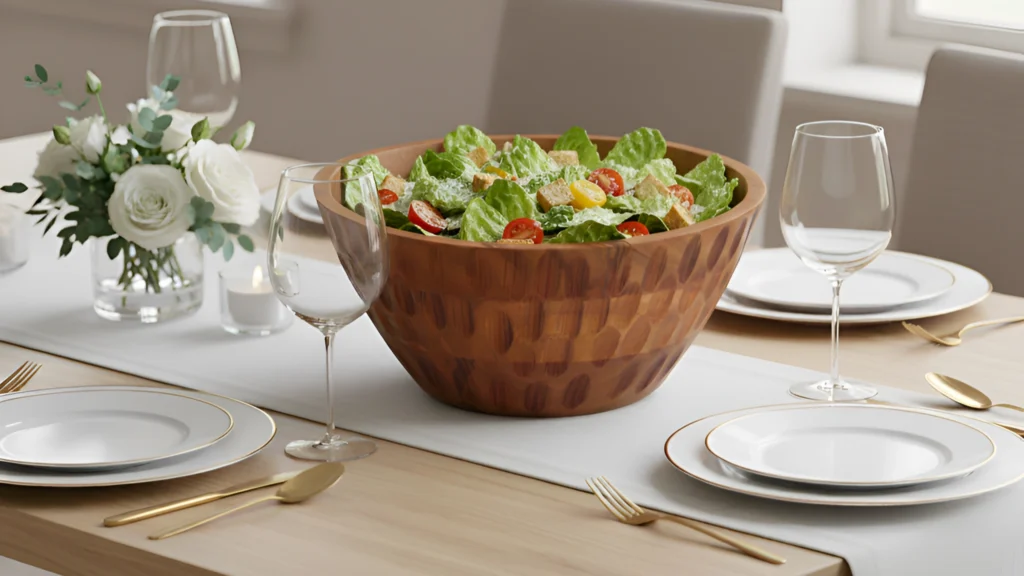
Sustainable serveware is no longer just a trend—it’s a priority for 63% of American home cooks when choosing wooden bowls in 2025. If you’ve ever found yourself overwhelmed by endless options on Amazon—debating between acacia, teak, mango, and maple bowls, while worrying about durability, maintenance, or hygiene—you’re not alone.
Many shoppers have experienced the disappointment of premature cracking, staining, or bacterial buildup in wooden bowls due to a lack of clear information. This article aims to change that, offering you fact-based, practical advice on selecting the best wooden salad bowl for your needs—all backed by the latest U.S. data and trends.
Material Matters: Hardwood vs. Softwood Salad Bowls:
Selecting the right wood is crucial while choosing wooden bowls that will stand the test of time and remain safe for everyday use. Wood hardness, measured by the Janka scale, a standardized industry metric directly affects a bowl’s resistance to dents, cracks, and moisture damage.
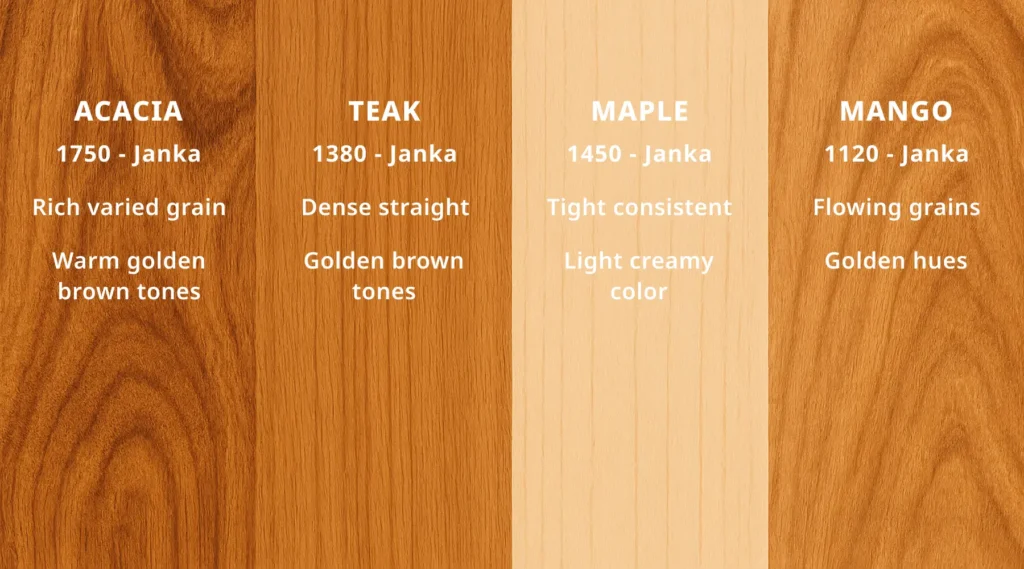
Top hardwoods recommended by industry experts include:
1. Acacia: Boasting a robust Janka hardness rating near 1,750 lbs, acacia wood offers exceptional durability and natural water resistance. Ideal for kitchenware subjected to frequent washing and use.
2. Teak: With a hardness between 1,150–1,380 lbs, teak is prized for its dense grain and high oil content. It provides natural antimicrobial properties and moisture repellency. These traits make teak bowls a hygienic and stylish choice for health-conscious cooks.
3. Maple: Maple’s moderate hardness, around 1,450 lbs, and its tight grain structure resist bacterial infiltration and simplify cleaning, contributing to its popularity among wooden bowl aficionados.
4. Mango: Janka hardness rating around 1,070–1,120 lbs, mango wood is moderately tough—comparable to ash and oak. It offers reliable durability, natural water resistance, and a unique golden-brown grain.
In contrast, softwoods like pine or cedar, with their open, porous grains, tend to absorb moisture and harbor bacteria, undermining both durability and food safety. As a result, they are generally unsuitable for salad bowls designed for regular use.
Buyers also appreciate reclaimed wood bowls, which offer unique character and reduce environmental footprints.
Size & Shape: Matching Bowl Dimensions to Your Lifestyle
Selecting the ideal size and shape for a wooden salad bowl depends on your household size, meal types, and serving style. Research shows that most U.S. households regularly serve salads and side dishes for groups ranging from two to six people. Thus bowls sized between 9 to 12 inches in diameter are the most versatile and popular choice.
1. Small Bowls (6 – 8 inches): For individual servings or snacks, perfect for those who mostly prepare single portions or small salads
2. Large Bowls (9 – 12+ inches): From the sweet spot for family dinners or casual gatherings to ideal for entertaining or meal prep involving multiple dishes.
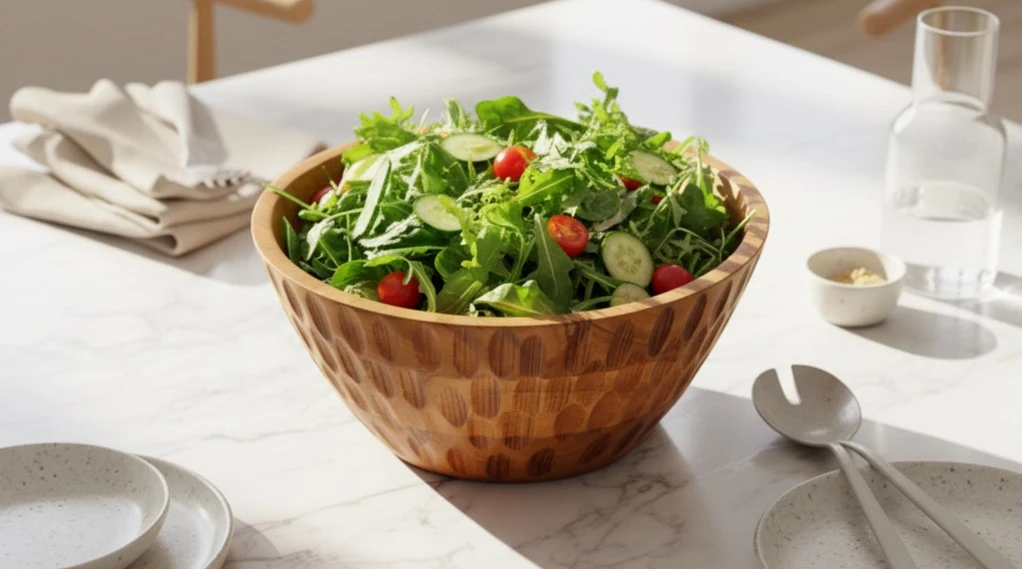
Shape also impacts usability and aesthetic appeal.
Wide & large: Perfect for easy tossing and serving; spreads ingredients evenly and makes mixing effortless.
Deep bowl: Ideal for preserving leafy greens by minimising surface moisture and extending freshness, not so ideal for mixing salads comfortably.
Oval or organic shapes: Embrace artisanal charm and uniqueness; these shapes highlight natural wood grain and bring rustic elegance to your table.
Culina Craftique wooden bowls feature a wide, organic shape with carefully considered depth to enhance tossing ease, designed to mix seamlessly with ergonomic salad servers.
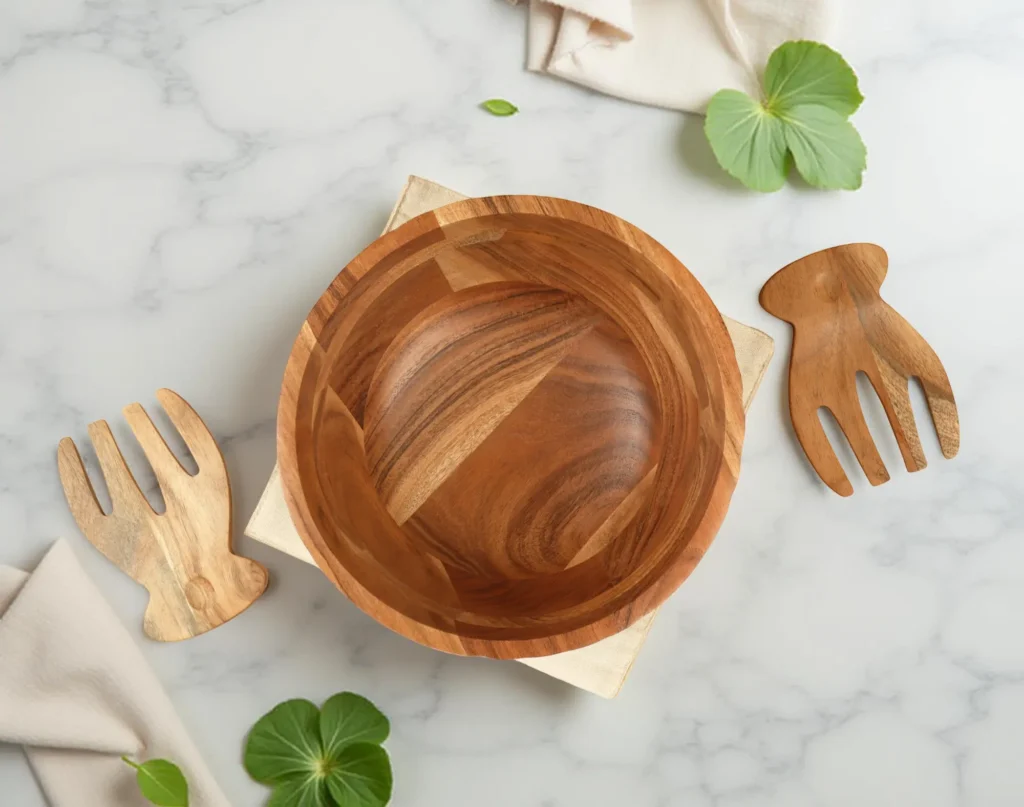
Craftsmanship & Design: Quality and Aesthetics That Elevate Your Dining Experience
The craftsmanship behind your wooden bowls directly influences its longevity, safety, and visual charm.
Handcrafted Bowls: Feature unique grain patterns, hand-sanded finishes, and meticulous detailing such as carved rims or ergonomic grips. Each piece becomes a work of art with character and individuality.
Machine-Made Bowls: Offer consistency, affordability, and mass availability but may lack the subtle imperfections and warmth of hand-finished products. Surface smoothness and finishing quality can vary, affecting durability and cleaning ease.
Design Details such as rim thickness, bowl weight, and footed bases not only add aesthetic appeal but also improve handling and stability during use. Bowls with slightly raised bases reduce moisture contact with countertops, prolonging both the bowl’s life and surface cleanliness.
Quality and Certifications: Ensuring Durability and Safety
When investing in a wooden salad bowl, quality assurances and certifications are paramount.
Food-Safe Finishes: Choose bowls with food-grade oils or waxes, such as walnut oil or natural beeswax. This prevent chemicals from leaching and preserve the wood. Avoid varnishes that may crack or chip over time.
Non-Toxic Treatments: Ensure that any treatments or sealants comply with FDA or EPA guidelines for kitchenware safety.
Identifying Finish Types:
| Test Type | Oil-finished Wood (Natural Oils) | Synthetic Sealed Wood (Varnish) |
|---|---|---|
| Visual Clue | Matte or satin sheen that highlights natural wood grain | Glossy reflective surface; slighly dull grain pattern |
| Touch Test | Fee textured, woody; oils penetrate into the wood | Very smooth, slick; glass-like finish |
| Water Test | Water droplet absorbs slowly; may create a faint mark if left | Water droplets bead instantly and remains on surface |
Price and Value: Balancing Investment with Longevity
Price of wooden bowls spans a broad range — from affordable options at $20 – $30 to premium artisan-crafted sets that cost $40 — $80 and above.
While customers might be tempted to buy inexpensive bowls. Studies show that spending approximately $40 – $100 on a quality wooden bowl correlates with longer product lifespan, better food safety, and enhanced aesthetic satisfaction.
Opting for mid-to-high-tier bowls aligns with growing American preferences for sustainable and artisanal serveware. Hence reflecting a shift from disposable goods toward conscious consumption.
Conclusion and Call to Action: A Lasting Addition to Your Kitchen
The perfect wooden salad bowl involves balancing aesthetics, practicality, and values. Using the right knowledge, you can select a heirloom-quality bowl that enhances your kitchen rituals while contributing positively to the planet.
At Culina Craftique, we specialize in artisanal, sustainably sourced wooden serveware meticulously crafted to blend beauty with durability. Our handcrafted salad bowls embody the ideals of responsible craftsmanship and timeless elegance.
Ready to transform your dining experience? Explore our curated collections, designed for the conscious cook who cherishes both form and function.
Before purchasing, use this concise checklist to ensure your bowl meets functional and ethical standards:
✓ Verified hardwood species: acacia, teak, maple preferred
✓ Food-safe finish with natural oils or waxes
✓ Appropriate bowl size for household and use cases
✓ Durable construction with smooth, splinter-free surfaces
✓ Guaranteed non-toxic treatments and safe for contact with salads and dressings
✓ Positive customer reviews noting longevity and usability
✓ Brand ethical practices including fair trade and environmental commitments